
Steak Doneness Guide: From Blue Rare to Well Done (Cooking Levels Explained)
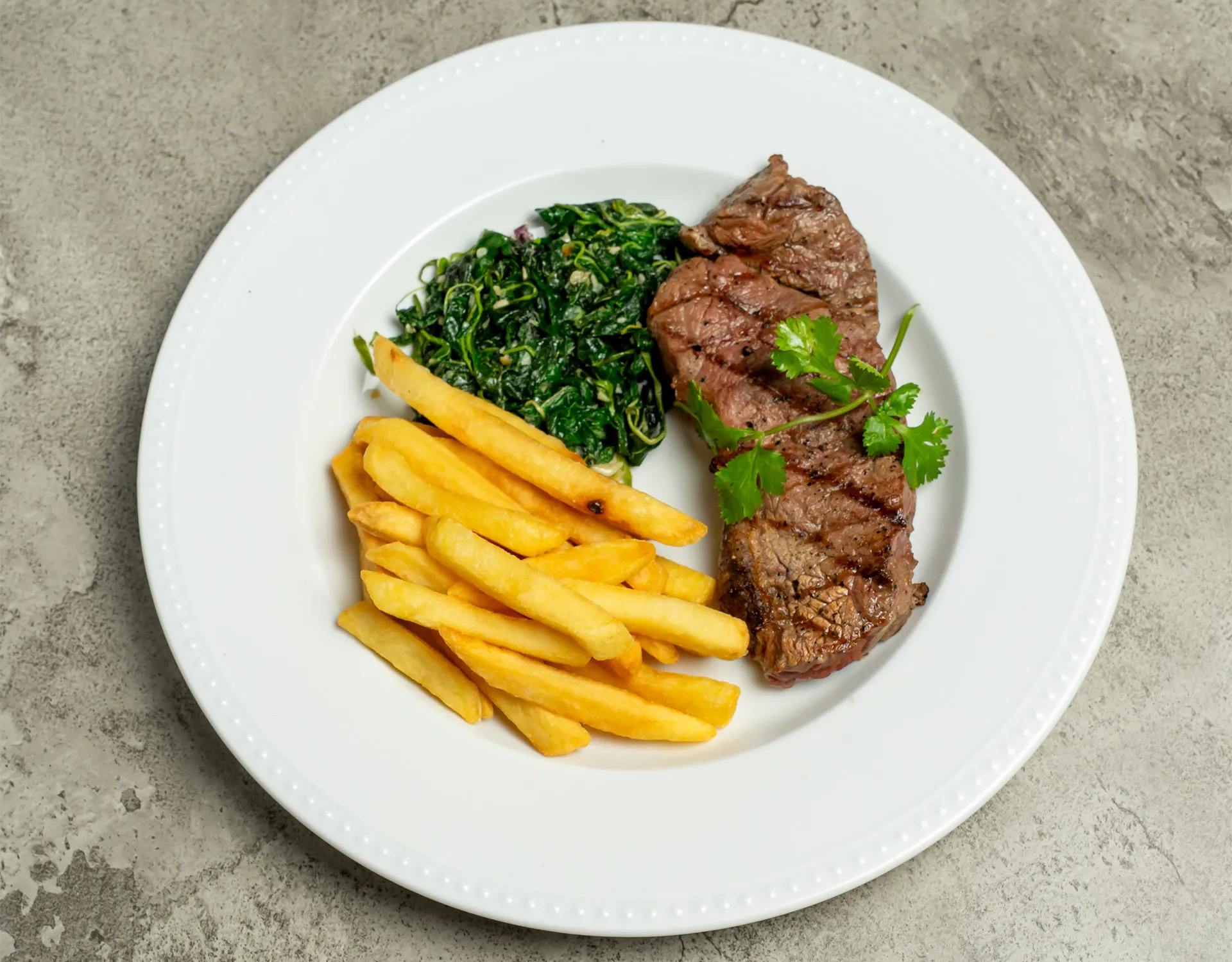
Steak Doneness Guide: From Blue Rare to Well Done (Cooking Levels Explained)
Ordering steak is one of those tiny luxury decisions that can completely change your night. The same cut of beef can taste juicy and buttery, or firm and bold, simply because of the cooking level. That’s why people keep searching for a steak doneness guide and a clear explanation of steak cooking levels, from the very raw end all the way to well done.
In this guide, we’ll explain every steak doneness level in order, starting from blue rare (very raw) to well done. You’ll learn what each level looks like, how it tastes, what texture to expect, and how to choose the right doneness for your preferences. If you’re dining at DJAWARA Social Dining, this guide will help you order with confidence and get the steak experience you actually want.
Steak Cooking Levels: Quick Doneness Chart
| Doneness Level | Center Color | Texture | Approx. Internal Temp (°C) | Approx. Internal Temp (°F) |
|---|---|---|---|---|
| Blue Rare | Deep red, cool center | Very soft, almost raw | 46–49°C | 115–120°F |
| Rare | Red, warm center | Soft, very juicy | 50–52°C | 122–125°F |
| Medium Rare | Pink-red center | Tender, juicy, balanced | 54–57°C | 130–135°F |
| Medium | Warm pink center | Juicy but firmer | 60–63°C | 140–145°F |
| Medium Well | Slight pink, mostly brown | More firm, less juicy | 65–68°C | 150–155°F |
| Well Done | Brown throughout | Firm, least juicy | 71°C+ | 160°F+ |
Those temperatures are a helpful guide, but the feel and look are what most guests notice. Now let’s go step-by-step through the steak doneness levels, from very raw to well done.
1) Blue Rare (Very Raw)
Blue rare is the most “raw” steak doneness level commonly served. The outside is seared quickly, but the inside stays deep red and cool. If you’re searching for “very raw steak level,” blue rare is it.
What blue rare steak is like
- Center: very red, cool to slightly warm
- Texture: extremely soft, almost like raw beef
- Juiciness: very juicy, but in a raw-style way
- Flavor: pure beef taste, minimal cooked notes
Best for: steak lovers who truly want the most natural beef texture and don’t mind a very raw center.
Not ideal for: anyone who dislikes raw texture, or prefers a hot center. Blue rare can feel too “fresh” for some people.
2) Rare
Rare steak is still red in the center, but it’s warmer than blue rare. The outside sear is stronger, and the inside starts to feel more like steak rather than raw beef.
What rare steak is like
- Center: red, warm
- Texture: soft and tender
- Juiciness: very juicy
- Flavor: beef-forward with a bit more cooked aroma than blue rare
Best for: people who love a soft steak and want maximum juiciness without going too raw.
Tip: rare is often better with very tender cuts. With firmer cuts, rare can feel extra chewy because the muscle hasn’t relaxed as much.
3) Medium Rare (The “Classic Favorite”)
Medium rare steak is the doneness level that many chefs recommend because it gives the best balance of tenderness, juiciness, and flavor. The center is pink-red, warm, and the steak feels luxurious without feeling raw.
What medium rare steak is like
- Center: pink-red, warm
- Texture: tender and easy to cut
- Juiciness: high
- Flavor: rich beef flavor with strong seared notes
Best for: most people who want the best steak experience, especially for premium cuts.
If you’re unsure: ask for medium rare. If you want steak doneness that feels safe but still premium, medium rare is the smart choice.
4) Medium
Medium steak has a warm pink center, but more of the steak is cooked through. It’s still juicy, but the texture is firmer and the bite feels more “structured.” Medium is a popular choice for people who want less red without going fully well done.
What medium steak is like
- Center: warm pink
- Texture: firmer than medium rare, still tender
- Juiciness: moderate to high
- Flavor: more cooked flavor, less “bloody” perception
Best for: guests who want a balanced steak with less redness and a more cooked feel.
5) Medium Well
Medium well steak has only a slight pink center, with most of the interior cooked brown. It’s noticeably firmer and less juicy than medium, but it can still be enjoyable, especially if you prefer steak that feels fully cooked but not completely dry.
What medium well steak is like
- Center: slight pink, mostly brown
- Texture: firm
- Juiciness: lower
- Flavor: stronger cooked notes, less “fresh beef” taste
Best for: people who don’t like visible red/pink but still want a little softness left inside.
Tip: medium well works better with marbled cuts because fat helps maintain juiciness.
6) Well Done
Well done steak is fully cooked through, brown from edge to center, with no pink. It’s the firmest doneness level and has the least juiciness. A well done steak can still be tasty, but it depends heavily on the cut, marbling, and cooking technique.
What well done steak is like
- Center: brown throughout
- Texture: firm, sometimes chewy
- Juiciness: lowest
- Flavor: fully cooked, roasted notes, less buttery softness
Best for: anyone who prefers fully cooked meat with no pink and a stronger cooked flavor.
Tip: if you want well done but still want it juicy, choose a cut with more marbling and consider sauces that add moisture and richness.
Which Steak Doneness Should You Choose?
If you want a simple shortcut, use this decision guide:
- Choose blue rare if you love very raw steak texture and pure beef taste.
- Choose rare if you want a very juicy steak with a red center.
- Choose medium rare if you want the best balance of tenderness, juiciness, and steak flavor.
- Choose medium if you want less red but still want a juicy steak.
- Choose medium well if you want almost fully cooked steak with just a hint of softness.
- Choose well done if you want fully cooked steak with no pink.
Best Doneness by Steak Cut (Sirloin, Tenderloin, Ribeye)
Steak doneness also depends on the cut. Here’s a practical guide:
| Cut | Recommended Doneness | Why It Works |
|---|---|---|
| Tenderloin | Medium rare to medium | Protects tenderness and “buttery” texture |
| Ribeye | Medium rare to medium | Lets marbling melt for maximum juiciness |
| Sirloin | Medium rare to medium | Keeps it juicy and prevents dryness |
FAQ: Steak Cooking Levels
Is rare steak safe to eat?
Many restaurants serve rare steak safely when proper food handling and searing practices are followed. If you have specific health concerns, prefer fully cooked levels and consult a professional for personalized advice.
Why does steak get tougher as it cooks more?
As steak reaches higher cooking levels, moisture evaporates and proteins tighten, making the texture firmer and less juicy. That’s why well done steak can feel drier than medium rare steak.
If I don’t like “blood,” what doneness should I choose?
The red liquid in steak is mostly myoglobin, not blood. If you prefer less redness, choose medium or medium well.
Conclusion: From Very Raw to Well Done, Your Doneness Is Your Signature
Steak doneness is personal. Some people want the bold, very raw energy of blue rare. Others want the balanced luxury of medium rare. Others want the certainty of well done. The best steak doneness level is the one that makes your meal feel perfect.
Next time you order at DJAWARA Social Dining, choose your steak cooking level with intention. Because in a proper steak night, even the doneness becomes part of the experience.