
Samosa History: Origins, Culture, and How This Iconic Snack Traveled the World
Samosa History: Origins, Culture, and How This Iconic Snack Traveled the World
Few snacks have the kind of worldwide passport that a samosa has. Crisp shell, aromatic filling, and that first bite that goes crunch before turning soft and savory. But the real magic is the story behind it. The history of samosa is not just a food story, it’s a trade-route story, a migration story, and a culture story wrapped in golden pastry.
In this article, we’ll explore the samosa history, the samosa origin, how samosa traveled across regions, and why it became a beloved snack from street stalls to luxury dining tables. If you’ve ever wondered “where did samosa come from?” this is your full guide.
What Is a Samosa?
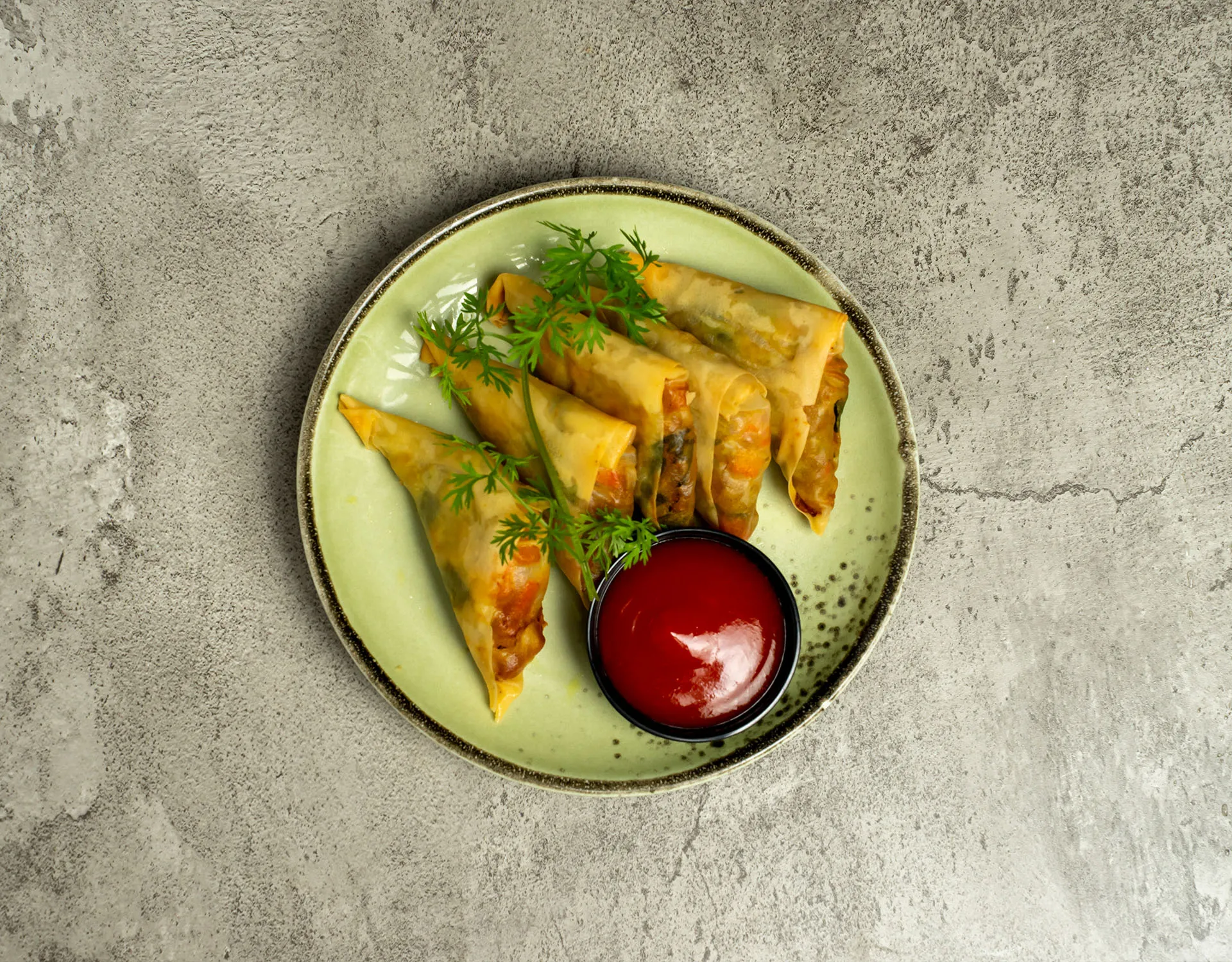
A samosa is a stuffed pastry, usually triangular, that’s fried (sometimes baked) until crisp. The filling can be spiced potatoes, peas, onions, lentils, minced meat, or regional variations. The key identity remains the same: a sealed pocket of flavor, designed for portability, sharing, and satisfying hunger fast.
That portability is one reason samosa history is so connected to travel. Samosa was built for movement, and then it moved.
Samosa Origin: Where Did Samosa Come From?
The samosa origin is widely traced to regions of the Middle East and Central Asia, where earlier versions of stuffed pastries existed long before samosa became the iconic South Asian snack we know today. Many food historians link the word “samosa” to older Persian-language terms used for stuffed pastries, suggesting that the history of samosa began as a practical traveler’s food: durable, hand-held, and easy to carry on journeys.
In other words: the samosa didn’t start as “street food.” It started as smart food.
The History of Samosa: A Simple Timeline
| Era | What Happened | Why It Matters in Samosa History |
|---|---|---|
| Medieval period | Stuffed pastries appear across Persianate and Central Asian food cultures | Early foundation for the samosa origin and concept |
| Trade and migration eras | Recipes and techniques travel through merchants, travelers, and courts | Samosa spreads across regions and adapts |
| South Asia adoption | Samosa becomes established and localized with regional spices and fillings | Transforms into the popular samosa style many people recognize today |
| Colonial-era ingredient shifts | New ingredients like potatoes become common in many places | Potato-based samosa becomes a dominant modern version |
| Modern global era | Diaspora communities spread samosa worldwide | Samosa becomes an international snack icon |
This timeline is the heartbeat of the history of samosa: origin, travel, adaptation, and global love.
How Samosa Became Famous in South Asia
One of the most important chapters in samosa history is how it became deeply rooted in South Asian food culture. Over time, local spices, cooking styles, and ingredient availability shaped the snack into regional favorites. The triangle became familiar. The spice profile became bolder. The sauces and chutneys became part of the ritual.
In many places, the samosa evolved from a courtly or traveler-friendly bite into something more social: a snack for tea time, gatherings, celebrations, and street food culture. This is why the history of samosa is also a story of how food becomes identity.
Why Potato Samosa Became So Popular
When people imagine “classic samosa,” they often picture the potato filling. Potato-filled samosa became popular because potatoes are filling, affordable, and perfect for absorbing spices. Once potatoes became widely available in many regions, they naturally became a main filling option.
That’s why, when people search samosa history today, they often discover something surprising: samosa did not begin as “potato samosa.” Potato samosa is a powerful modern chapter, not the first page.
Different Types of Samosa Around the World
The reason samosa history is so fascinating is because samosa adapts everywhere it goes. Different regions kept the idea but changed the details.
- Potato & peas samosa: classic in many South Asian styles, warm spices, comforting bite
- Minced meat samosa: richer, savory, often found in many Middle Eastern, African, and South Asian variations
- Lentil or vegetable samosa: lighter, plant-forward, still full of spice aroma
- Baked samosa: a modern twist for a lighter finish
- Cheese samosa: contemporary, indulgent, and crowd-pleasing
Same concept, different personality. That’s global cuisine in one bite.
Samosa Meaning in Food Culture
Beyond taste, the history of samosa is tied to how people live: quick snacks between work, tea-time conversations, family gatherings, post-school cravings, late-night bites, and celebration tables. Samosa is comfort, but it’s also community.
And it fits perfectly into modern social dining, because samosa is designed to be shared. One plate becomes a conversation starter. One bite becomes a “try this” moment. The samosa doesn’t just feed people, it connects people.
How to Enjoy Samosa Like a Pro
- Eat it hot: samosa is at its best when the shell is crisp and the filling is aromatic
- Pair with chutney or sauce: sweet-tangy, spicy, or creamy sauces elevate the experience
- Balance with drinks: tea is classic, but sparkling or citrusy drinks also cut through richness
- Make it a sharing starter: samosa works beautifully as an appetizer before mains
This is the modern luxury approach: simple food, curated moment.
FAQ: History of Samosa
Where did samosa come from?
The samosa origin is commonly traced to older stuffed pastry traditions in the Middle East and Central Asia, which later spread and evolved across regions, especially into South Asia where samosa became widely popular.
Is samosa originally Indian?
Samosa became iconic in South Asia, but the history of samosa suggests it has earlier roots outside India, then was adopted and transformed into the styles many people recognize today.
Why is samosa triangular?
The triangle shape is practical: it seals fillings well, fries evenly, and is easy to hold and serve. Practical design is a recurring theme in samosa history.
Conclusion: The Samosa Is a Traveler That Became a Legend
The history of samosa is proof that the best foods don’t stay in one place. They travel, they adapt, and they become part of new cultures without losing their core identity. From early stuffed pastries along trade routes to the modern snack loved around the world, the samosa history is a delicious timeline of movement and meaning.
If you love culinary culture, the samosa is a perfect example: simple ingredients, serious impact, and a story that tastes like history in every bite.