
DJAWARA Duck Confit: The Luxe Duck Dish Paired with Aromatic Rice and Sambal Hijau
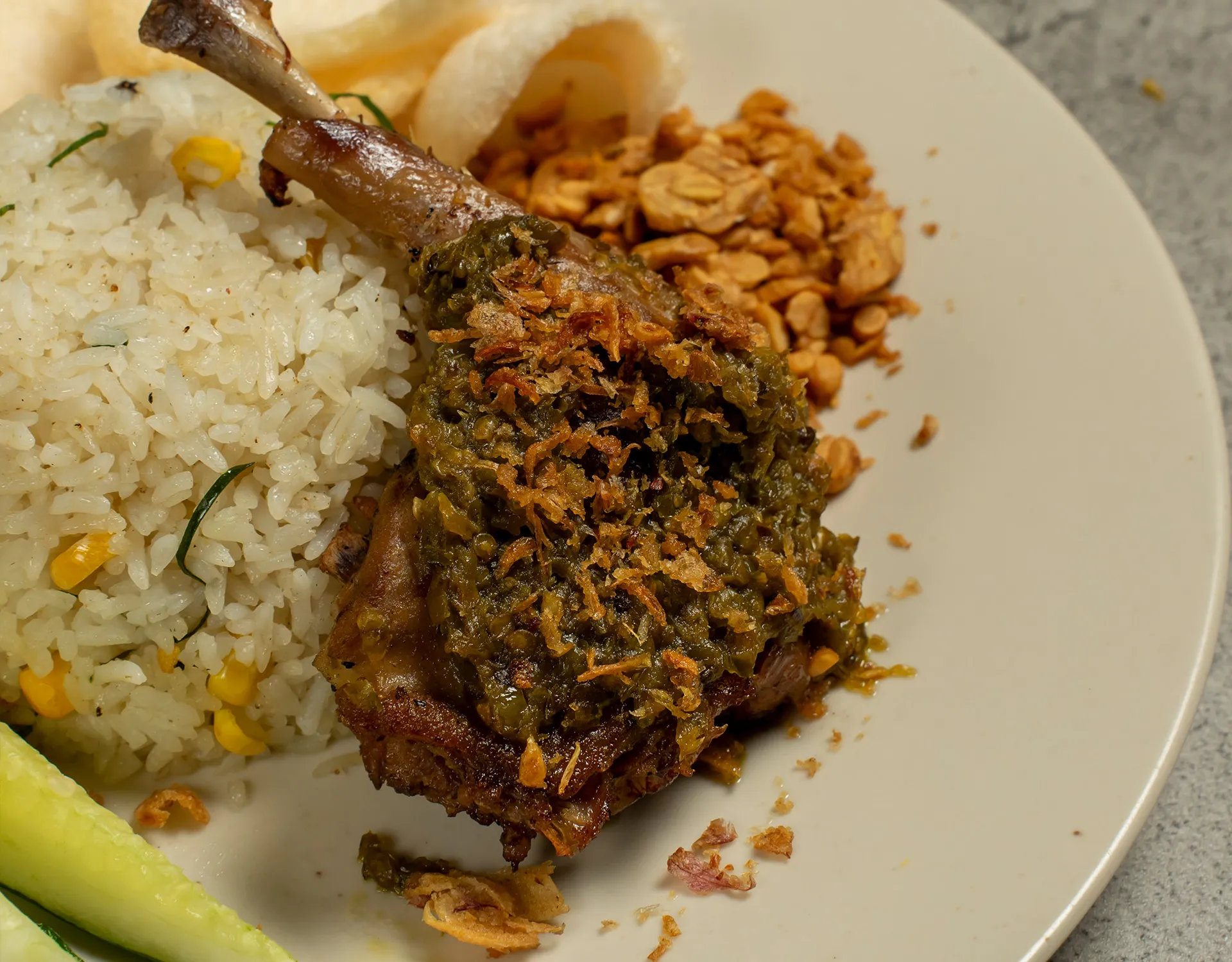
DJAWARA Duck Confit: The Luxe Duck Dish Paired with Aromatic Rice and Sambal Hijau
Some dishes don’t need to shout. They arrive with quiet confidence and then take over the table. DJAWARA Duck Confit is exactly that kind of plate: duck cooked low and slow until it becomes tender, rich, and deeply flavorful, then finished for that satisfying crisp bite. We pair it with aromatic rice for comfort and fragrance, and sambal hijau for a sharp, spicy-green kick that wakes up every bite.
If you’ve been searching “what is duck confit?” or “duck confit vs roasted duck,” or you simply want a main course that feels premium without feeling complicated, this guide breaks down everything about duck confit and why the DJAWARA pairing works so well.
What Is Duck Confit?
Duck confit is a classic technique where duck is seasoned and cooked slowly at a low temperature until the meat becomes extremely tender and the flavors concentrate. Traditionally, confit cooking is all about patience: time and gentle heat transform a tougher cut into something luxurious.
In modern dining, duck confit is loved because it delivers two things at once:
- Tender, rich meat that pulls apart easily
- Crispy skin when finished properly
That contrast is the signature of a great duck confit, and it’s exactly what makes DJAWARA Duck Confit a standout main course.
Why Duck Confit Feels Like a Luxury Dish
Duck confit is considered luxurious for a simple reason: it’s not rushed. The slow cooking process creates depth, softness, and a rich duck character that you rarely get from quick cooking methods.
| What You Get | Why It Feels Premium |
|---|---|
| Deep, concentrated duck flavor | Slow cooking amplifies aroma and richness |
| Tender, pull-apart texture | It feels smooth and “crafted,” not accidental |
| Crispy finishing bite | That crispy skin moment makes the dish unforgettable |
Duck confit is comfort food wearing a tailored suit. It’s cozy and refined at the same time.
Introducing DJAWARA Duck Confit: Aromatic Rice + Sambal Hijau
Here’s where DJAWARA makes it uniquely ours. Duck confit is rich, so it needs a smart pairing: something fragrant to carry it, and something bright to cut through it. That’s why we combine it with aromatic rice and sambal hijau.
- DJAWARA Duck Confit: rich, tender duck with a crisp finish
- Aromatic rice: warm, fragrant base that makes every bite feel complete
- Sambal hijau: spicy, fresh green chili kick that balances the richness
This trio turns the dish into a full experience: rich + fragrant + spicy-green. It’s bold, but still elegant.
What Does DJAWARA Duck Confit Taste Like?
If you’ve never tried duck confit, here’s what to expect when you order DJAWARA Duck Confit with aromatic rice and sambal hijau:
- First impression: savory richness with a deep duck aroma
- Texture: tender meat that feels soft and buttery, with a crisp exterior finish
- Rice effect: aromatic rice carries the richness so the dish feels balanced, not heavy
- Sambal hijau finish: sharp green heat that wakes up the palate and keeps you coming back
It’s the kind of dish that starts calm, then builds intensity, then leaves a clean spicy note on the finish.
Why Aromatic Rice Works with Duck Confit
Duck confit is naturally rich. Aromatic rice acts like a fragrance bridge: it absorbs flavor, balances the fat, and keeps the dish grounded. This is why the pairing of duck confit and aromatic rice feels so satisfying. You don’t just get “duck,” you get a complete, structured main course.
It also makes the dish perfect for social dining. Rice makes it easy to share bites without the dish feeling too heavy or too intense.
Why Sambal Hijau Is the Perfect Pairing for Duck Confit
Sambal hijau brings the contrast that duck confit needs. Rich dishes need brightness. Fat needs heat. Tender meat needs something that snaps the palate awake. Sambal hijau does all of that in one spoon.
In the DJAWARA version, sambal hijau isn’t just “spicy.” It’s the green punch that makes the richness feel exciting, not overwhelming. That’s why duck confit with sambal hijau works so well.
How to Eat DJAWARA Duck Confit the Best Way
To get the full experience, try this bite sequence:
- Start with duck confit alone to taste the richness and texture.
- Add aromatic rice to make the bite rounder and more comforting.
- Finish with sambal hijau for the bright green kick.
That’s the perfect bite: rich duck, fragrant rice, spicy-green finish. One bite feels complete, luxurious, and addictive.
Duck Confit vs Other Duck Dishes
If you’re choosing between duck styles, here’s a simple comparison:
| Duck Dish | Texture | Flavor | Best For |
|---|---|---|---|
| Duck Confit | Very tender, finished crisp | Deep, rich, concentrated | Luxury comfort, slow-cooked depth |
| Roasted duck | Firm with crispy skin | Roasty and bold | Big aroma, classic roast vibe |
| Pan-seared duck breast | Tender but more “steak-like” | Clean duck flavor, medium doneness style | Steak lovers who want duck |
Duck confit is the “slow luxury” option. It’s designed to feel crafted.
FAQ: DJAWARA Duck Confit
Is duck confit spicy?
The duck confit itself is rich and savory. The spice comes from the sambal hijau, which you can add to taste.
Is duck confit heavy?
Duck confit is rich, but pairing it with aromatic rice and the bright heat of sambal hijau makes it feel balanced and easier to enjoy.
Is DJAWARA Duck Confit good for sharing?
Yes. The rice and sambal pairing makes it very social-dining friendly: it’s easy to share bites while keeping the flavors exciting.
Conclusion: A DJAWARA Signature That Balances Rich, Fragrant, and Spicy-Green
DJAWARA Duck Confit is a dish for people who want something comforting but elevated. Tender, slow-cooked duck with a crisp finish, paired with aromatic rice for fragrance and fullness, and sambal hijau for that sharp green kick that makes every bite feel alive.
If you want a main course that feels luxurious, memorable, and perfectly balanced for a night out, order the DJAWARA Duck Confit with aromatic rice and sambal hijau and let the flavors do the storytelling.